

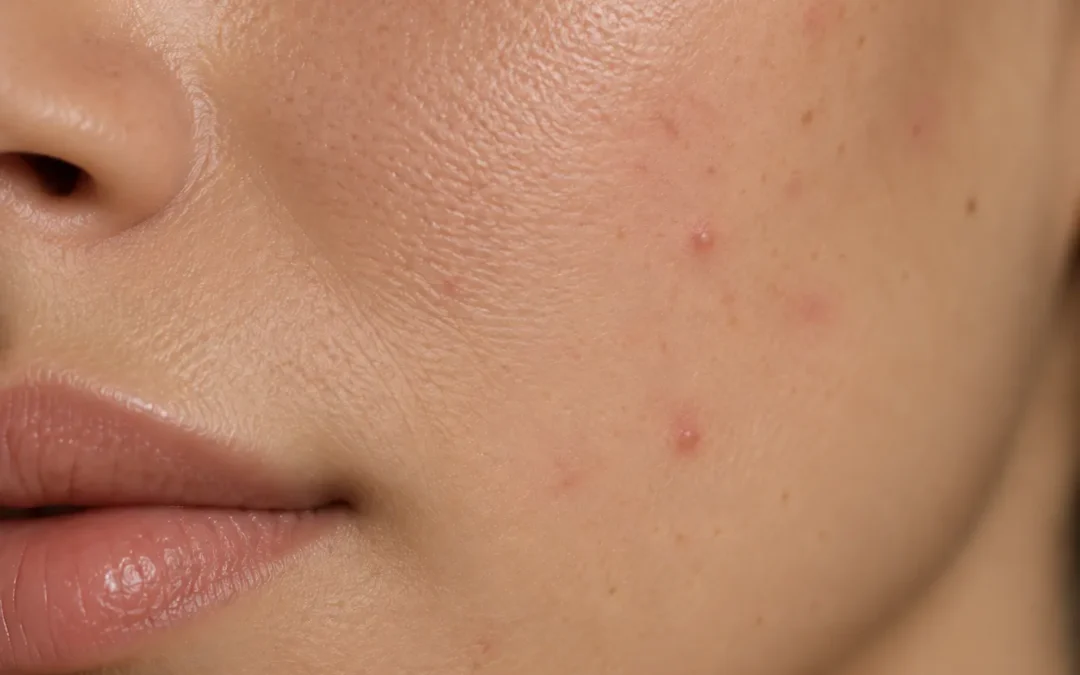
Acne is an inflammatory skin condition that begins inside the hair follicle, where trapped oil and dead skin cells create a blockage. It has little to do with how clean your skin is. Hormones, genetics, and shifts in your skin's microbiome all shape how and why breakouts form.
Key Takeaways
- Acne begins inside the hair follicle, not on the surface of the skin.
- Four factors drive most breakouts: excess sebum, trapped dead skin cells, changes in follicle bacteria, and inflammation.
- Poor hygiene does not cause acne, and over-cleansing often makes it worse.
- Hormones, genetics, and your skin's microbiome all influence how acne develops.
- Acne looks different from person to person because these factors combine differently for each individual.
- A licensed esthetician can help identify which factors are driving your breakouts before recommending a corrective skincare plan.
At Velicutis in Scottsdale, we see clients with every stage of acne, from occasional breakouts to persistent, cystic acne that hasn't responded to over-the-counter products. Understanding what's actually happening beneath your skin is the first step toward a plan that works.
How Does Acne Actually Form Inside the Skin?
Acne starts inside the hair follicle, not on the surface of your skin. Each follicle connects to a sebaceous gland, which produces sebum, an oil that keeps your skin barrier lubricated and protected.
Under normal conditions, dead skin cells shed on their own and sebum reaches the surface without any problem. Acne begins when that process breaks down. Dead skin cells stick together instead of shedding, mix with sebum, and form a plug inside the follicle.
That plug traps oil beneath the surface and creates the exact environment where inflammation can take hold. This is why breakouts rarely appear overnight. The blockage forms first, then bacteria that live naturally in the follicle multiply within that trapped space, and the visible bump follows days later.
What Causes Acne Beyond Oily Skin?
Oil production is only one part of what causes acne. Most breakouts form through several factors working together rather than one single trigger.
- Excess sebum production, often driven by hormones or genetics
- Dead skin cells that don't shed efficiently and build up inside the follicle
- Shifts in your skin's microbiome that let follicle bacteria multiply
- Inflammation, which produces the redness, swelling, and tenderness people associate with a breakout
- Hormonal fluctuations tied to puberty, menstrual cycles, or stress
Because these factors vary from person to person, two people with similar-looking breakouts can need very different approaches. That's why acne treatment at Velicutis starts with identifying which of these factors is actually driving your skin, not applying the same routine to everyone.
Is Acne Caused by Poor Hygiene?
No. Acne is not caused by dirty skin, and washing your face more often will not clear a breakout. This is one of the most persistent myths in skincare.
Over-cleansing, harsh scrubs, and aggressive exfoliants can strip your skin barrier and increase irritation, which often makes acne harder to manage rather than easier. Healthy skin depends on balance, not on how many times a day you wash your face.
If your routine already includes frequent washing and strong products but breakouts persist, the cause is more likely one of the internal factors above, not a hygiene gap.
What Are the Different Types of Acne Breakouts?
Acne shows up in several distinct forms, and each one develops differently beneath the skin. Recognizing which type you're dealing with helps explain why some breakouts respond to different care than others.
| Lesion Type | What It Is | Inflammatory? |
| Blackhead (open comedone) | A pore clogged with oil and dead skin that stays open to air. The dark color comes from oxidation, not dirt. | No |
| Whitehead (closed comedone) | A clogged pore that stays sealed beneath the skin, often an early sign of a developing breakout. | No |
| Papule | A small, red, inflamed bump without visible pus. | Yes |
| Pustule | An inflamed lesion with visible white or yellow fluid. | Yes |
| Nodule or cyst | A deep, often painful lesion with the highest risk of scarring. | Yes |
Comedonal acne, meaning blackheads and whiteheads, tends to respond well to consistent exfoliation and professional-grade treatments like chemical peels. Inflammatory lesions such as nodules and cysts need a different approach and should never be extracted at home.
Why Does Acne Look Different From Person to Person?
Acne varies so much between individuals because the four contributing factors, oil, dead skin cells, follicle bacteria, and inflammation, rarely combine the same way twice.
One person's breakouts may be driven mostly by hormones, while another's may stem more from genetics or an unbalanced skin microbiome. This is also why a product that clears one person's skin can do little for someone else, even when the breakouts look similar on the surface.
When Should You See a Licensed Esthetician About Acne?
If breakouts persist for more than a few weeks despite a consistent routine, or if you're seeing nodules, cysts, or scarring, it's worth having a licensed esthetician assess what's driving them.
At Velicutis in Scottsdale, licensed esthetician and certified laser technician Stacie Reid built the REID System to identify which combination of factors, oil, dead skin buildup, inflammation, or skin type, is behind a client's acne before recommending corrective skincare. Rather than treating acne as one condition with one fix, this approach looks at each factor individually.
A professional-grade approach built around treatments like microneedling, chemical peels, and spicules can address the follicle-level causes of acne instead of only covering up what's visible on the surface. Scottsdale clients working with Velicutis start with a consultation focused on identifying those underlying causes, not a one-size-fits-all product regimen. If you're ready to find out what's behind your breakouts, schedule a consultation with Velicutis.
Frequently Asked Questions About Acne
What is acne caused by?
Acne is caused by a combination of excess sebum production, dead skin cells that don't shed properly, changes in your skin's microbiome, and inflammation inside the hair follicle. Hormones and genetics also influence how much oil your skin produces and how your follicles respond. Because these factors interact differently in each person, acne rarely has one single cause.
Is acne a skin infection?
Not in the way most people think of an infection. Acne involves bacteria that already live on everyone's skin, not an outside germ. When a follicle becomes blocked with oil and dead skin cells, those normal bacteria multiply more easily inside that trapped space, which triggers inflammation. Acne is not contagious and cannot be caught from someone else.
Does diet affect acne?
Diet doesn't directly cause acne on its own, but some research suggests high-glycemic foods and dairy may influence breakouts in certain people by affecting hormone levels and inflammation. The connection varies from person to person, and diet is rarely the only factor behind a breakout.
Can stress cause acne breakouts?
Stress can contribute to acne by triggering hormonal shifts that increase sebum production. It's rarely the only cause of a breakout, but it can make existing acne harder to manage, which is one reason stress management sometimes factors into a broader skincare plan.
Is acne caused by not washing your face enough?
No. Acne forms inside the hair follicle, not from surface-level dirt, so washing your face more often will not prevent or clear breakouts. Over-washing can actually damage your skin barrier, strip away natural protection, and make acne harder to manage. A gentle cleanser used twice a day, without harsh scrubbing, supports the skin far more than aggressive washing does.
Why do I keep getting acne as an adult?
Adult acne is often driven by hormonal fluctuations, stress, or changes in skincare products rather than the same factors behind teenage breakouts. Genetics and shifts in your skin's microbiome can also play a larger role later in life, which is why an individualized plan matters more than a generic acne product.
What is hormonal acne?
Hormonal acne refers to breakouts triggered primarily by hormonal fluctuations. It often appears along the jawline and chin and is tied to the menstrual cycle, puberty, or other hormonal shifts. These fluctuations tend to increase sebum production, which contributes to the clogged follicles behind a breakout.
Does popping pimples make acne worse?
Yes. Popping or picking at a breakout can push bacteria and inflammation deeper into the skin, increasing the risk of scarring and post-inflammatory discoloration. Deeper lesions like nodules and cysts should never be extracted at home, since they sit too far beneath the surface to safely treat yourself.
How long does it take for acne to clear up?
Timelines vary widely depending on the type and cause of the acne, the consistency of a skincare routine, and whether professional treatment is involved. [Review for accuracy — time-sensitive claim] Because breakouts form beneath the surface before becoming visible, clearing existing acne and preventing new blockages both take sustained, consistent care rather than a quick fix.
Can professional treatments help with acne?
Professional-grade treatments such as chemical peels, microneedling, and spicules can support clearer skin by addressing the follicle-level causes of acne, including built-up dead skin cells and inflammation. A licensed esthetician can determine which combination of treatments fits your specific type of acne.
Understanding Your Skin Is the First Step
Acne isn't a hygiene problem, and it isn't one condition with one fix. It's the result of oil, dead skin cells, inflammation, and your skin's unique biology working together beneath the surface.
Once you understand which factors are driving your breakouts, you can move past generic products and start building a plan that actually addresses the cause.
If you're ready to find out what's really behind your skin's breakouts, schedule a consultation with Velicutis. We'll walk through what's happening beneath the surface and build a corrective skincare plan around your skin, not a one-size-fits-all routine.
About the Author: Stacie Reid is a licensed esthetician and certified laser technician with close to 20 years of experience in corrective skincare. She is the creator of the REID System and the owner of Velicutis in Scottsdale, Arizona.