

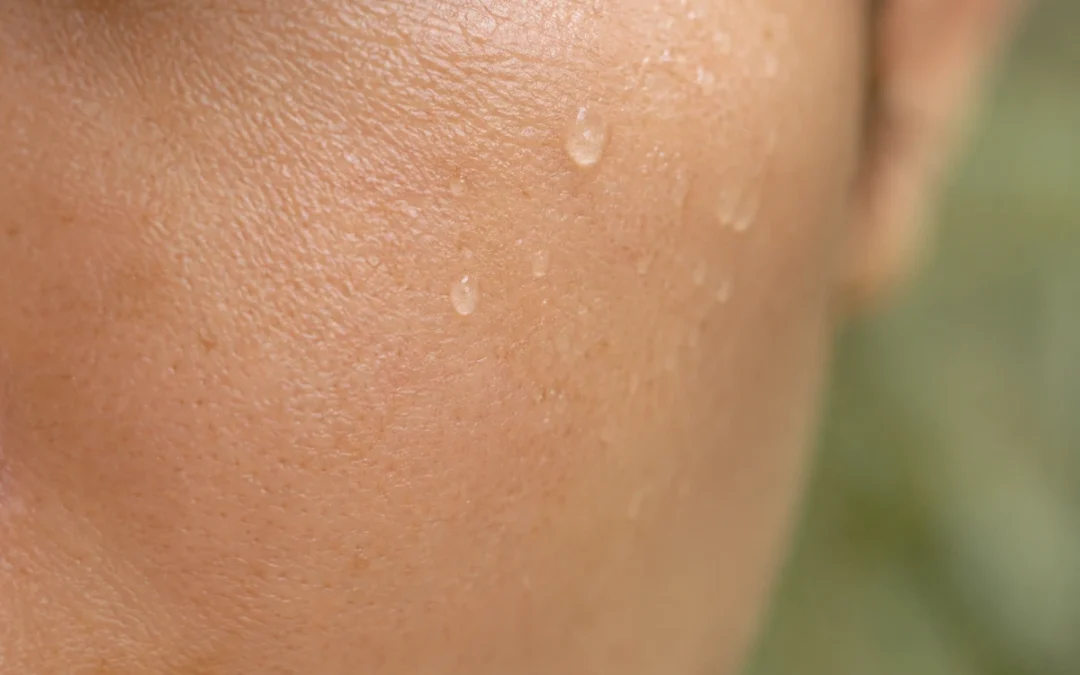
The skin barrier is the outermost layer of your skin. It holds water in and keeps irritants, pollution, and germs out. When it's damaged, skin feels dry, tight, or rough, and products that never bothered you start to sting. A healthy barrier keeps skin calm, comfortable, and ready for treatment.
Most people judge their skin by what they can see. Breakouts. Dark spots. Fine lines. The barrier sits under all of it. It decides how well your skin handles everything else.
At Velicutis, our Scottsdale corrective skincare practice, barrier health is part of every skin assessment. Below, we cover what the barrier is, how to tell when it's struggling, and why it matters before you book a peel or microneedling.
What Is the Skin Barrier?
The skin barrier is the top layer of your skin, called the stratum corneum. It's thinner than a sheet of paper. Still, it does most of the work of keeping your skin safe and hydrated.
Every layer below it depends on this outer layer doing its job. When it's healthy, you barely notice it. When it's not, you feel it right away.
The Brick-and-Mortar Model
Skin experts often compare the barrier to a brick wall. The bricks are flat, tightly packed skin cells. The mortar is a blend of fats, mainly ceramides, cholesterol, and fatty acids, that fills the gaps between them.
When the bricks and mortar are intact, water stays in and irritants stay out. When the mortar thins, gaps open up. Water escapes, and things that shouldn't get in start to slip through.
That water escape has a name: transepidermal water loss. Researchers use it to measure how well the barrier works. If you want the deeper science, this 2025 review published through the National Institutes of Health walks through how the barrier is built and how it repairs itself.
Is the Skin Barrier the Same as the Moisture Barrier?
Yes. "Moisture barrier," "skin barrier," and "lipid barrier" all describe the same outer layer. Brands use the words to mean the same thing. The name changes, but the job stays the same: hold water in and keep irritants out.
The Acid Mantle and Your Skin's Microbiome
Your barrier also carries a thin, slightly acidic film on its surface, called the acid mantle. That mild acid helps the barrier heal and keeps the germs on your skin in balance.
Healthy skin is home to lots of helpful bacteria, known as the skin microbiome. It works side by side with the barrier. Harsh, high-pH soaps can throw both off at once.
What Does the Skin Barrier Do?
The skin barrier has three main jobs. It holds water in, keeps irritants out, and helps your skin tolerate active ingredients.
- It holds in water. A strong barrier slows the water loss that leaves skin dry, tight, and dull.
- It keeps out irritants. It keeps dirt, germs, smog, and harsh ingredients away from the live skin below.
- It helps skin handle actives. Retinol, exfoliating acids, and vitamin C work better, and sting less, on skin with an intact barrier.
That third job is the one most people miss. If a product that used to work suddenly burns, the product probably didn't change. Your barrier did.
What Does a Damaged Skin Barrier Look Like?
A damaged skin barrier shows up as dryness, tightness, stinging, and redness, often all at once. Skin may also feel rough or look dull, even when you moisturize every day.
Common signs include:
- Tightness after cleansing, even with a gentle cleanser
- Flaking or rough patches that moisturizer doesn't fix
- Stinging or burning from products you've used for months
- Redness that lingers or shows up easily
- Makeup that clings to dry spots
- Skin that reacts to scents, new products, or even plain water
- Breakouts showing up at the same time as dryness
Here's how a healthy barrier compares to one that's struggling.
| Healthy Barrier | Compromised Barrier | |
|---|---|---|
| How it feels | Soft, smooth, and comfortable | Tight, itchy, or raw |
| How it looks | Even tone with a natural glow | Red, flaky, or dull |
| Reaction to products | Handles actives with little or no sting | Stings or burns with products that used to be fine |
| Hydration | Stays comfortable through the day | Feels dry again within a few hours |
| Makeup | Goes on smooth | Catches on dry patches |
| Treatment readiness | Ready for peels, microneedling, and dermaplaning | Needs calming care before stronger treatments |
Damaged Barrier or Sensitive Skin?
These two are easy to mix up. Some people are born with skin that reacts easily. That's sensitive skin, and it tends to stay that way.
A damaged barrier is different. Something usually causes it, like over-exfoliating or a harsh new product. It gets better once that cause is gone.
Here's a useful clue. If your skin used to handle a product and now it doesn't, think barrier first.
When to See a Medical Provider
Some symptoms point to more than a stressed barrier. See a doctor or dermatologist if you notice:
- A rash that spreads or won't clear up
- Swelling, oozing, crusting, or heat, which can be signs of infection
- Itching strong enough to keep you up at night
- Dry, scaly patches that keep coming back
As licensed estheticians, we provide professional-grade corrective skincare, not medical care. The American Academy of Dermatology notes that very dry skin can sometimes point to a condition like eczema. The National Eczema Association also explains how eczema and barrier problems are linked. If that sounds familiar, get it checked.
What Damages the Skin Barrier?
Most barrier damage comes from doing too much, not too little. Scrubbing too often, harsh cleansers, and piling on too many actives are the most common causes.
- Over-exfoliation. Scrubs, acid toners, and peel pads used too often wear down the outer layer faster than it can rebuild.
- Harsh cleansers. High-pH soaps and strong foaming washes strip away the fats that hold the barrier together.
- Too many actives at once. Retinol, acids, and vitamin C layered into one routine can overwhelm skin, even if each one is fine on its own.
- Hot water. Long, hot showers pull natural oils from the skin.
- Sun exposure. UV rays damage the outer layer and slow its repair.
- Age. Skin makes fewer barrier fats over time, so mature skin often dries out more easily.
- Fragrance and drying alcohols. Some skin reacts to heavy fragrance or certain alcohols in toners and gels.
Cleveland Clinic lists many of the same causes.
Good intentions cause a lot of it. We see this often with acne-prone skin. Someone uses three breakout products at once, and their skin ends up dry, red, and still breaking out.
Why the Arizona Desert Is Hard on Your Skin Barrier
Living in the Valley puts extra stress on your barrier. Our air stays dry for much of the year, and dry air pulls water out of skin faster.
Then there's the sun. UV exposure across Scottsdale, Phoenix, and Paradise Valley is strong year-round, not just in summer. Add long hours of air conditioning, which dries indoor air even more, and your skin is losing water from every direction.
Did you move here from somewhere more humid? You may have noticed your skin acting differently. The climate is a big part of why. A richer moisturizer, a bedroom humidifier, and daily sunscreen go a long way here.
Why Barrier Health Matters Before Peels, Microneedling, and Dermaplaning
Professional treatments work best on a calm, intact barrier. Chemical peels, microneedling, and dermaplaning all ask your skin to renew itself. A healthy barrier recovers on schedule. A damaged one is more likely to sting, stay red longer, or react.
Each treatment works a little differently:
- A chemical peel loosens and lifts away the top layers of dead skin.
- Microneedling creates tiny channels that prompt the skin to rebuild.
- Dermaplaning gently clears away the outermost dead cells and fine facial hair.
All three ask your skin to repair itself. A strong barrier gives it a head start.
That's why we look at barrier health before we recommend a treatment. During your assessment, we check how your skin is handling your current routine. If your barrier is irritated, we may suggest a few weeks of calming care first. That isn't a delay for its own sake. It's how we help each treatment do its job.
This idea is built into the REID System, the four-step method Stacie Reid created. Its final step, Defend, centers on daily sun and barrier protection. Without that step, even the best treatment struggles to hold its results.
If you live in Scottsdale, Fountain Hills, or Cave Creek and you're not sure your skin is ready for a treatment, a consultation is the easiest way to find out.
| Esthetician Insight from VelicutisBefore asking what product or treatment to add next, ask whether your skin barrier has what it needs. Strong skin responds better to everything else. |
How Is the Skin Barrier Connected to Breakouts?
A damaged skin barrier can make breakouts more irritated and harder to treat. Stressed skin tends to be more inflamed, and it often can't tolerate the ingredients that help clear acne.
This is a common loop with acne-prone skin. People reach for stronger products, the barrier gets stripped, and the irritation makes skin look worse. Not every breakout is the same, either. Our guide to the different types of acne explains why.
If you're stuck in that cycle, our article on why you might be breaking out covers other triggers worth ruling out. Our acne treatment plans build barrier care in from day one. For the basics, start with Acne 101.
Simple Habits That Support a Healthy Skin Barrier
Supporting your barrier comes down to being gentle and consistent. Most people need fewer products, not more.
- Use a gentle cleanser. Pick a mild, fragrance-free formula that doesn't leave skin feeling tight.
- Moisturize every day. Look for ceramides, glycerin, or hyaluronic acid. They help skin hold onto water.
- Wear sunscreen daily. Broad-spectrum SPF shields your barrier from sun damage. In Arizona, that matters even more.
- Scale back on actives. If your skin stings, pause exfoliants and retinol until it calms down.
- Keep showers warm, not hot. Pat your skin dry instead of rubbing it.
If your barrier is already damaged, a focused recovery plan works best. A professional facial chosen for calming and hydration can also help get your skin back on track.
Key Takeaways
- The skin barrier is the outermost layer of skin, made of skin cells held together by fats like ceramides and cholesterol.
- A damaged barrier shows up as tightness, flaking, redness, and stinging from products that never bothered you before.
- Scrubbing too often, harsh cleansers, and too many actives at once are the most common causes of barrier damage.
- Scottsdale's dry air and strong sun put extra daily stress on the skin barrier.
- Chemical peels, microneedling, and dermaplaning work best on a calm, intact barrier, so barrier health should come before treatment.
Frequently Asked Questions
How do I know if my skin barrier is damaged?
The clearest sign is stinging or burning from products that used to feel fine. Other signs include tightness after washing, flaking that moisturizer doesn't fix, lingering redness, and makeup that clings to dry patches. Your skin may also feel dry again just a few hours after you moisturize. These signs often show up together. If they started after you added a new product or more exfoliation, your barrier is the likely cause. A licensed esthetician can look at your skin and your routine to help pinpoint what's going on.
What can destroy the skin barrier?
Over-exfoliation is the most common cause. Using scrubs, acid toners, or peel pads too often wears down the outer layer faster than it can rebuild. Harsh, high-pH cleansers, long hot showers, unprotected sun exposure, and layering several active ingredients at once can also break it down. Dry places like Arizona add stress on top of that. The good news? Most barrier damage comes from habits. Change the habits, and the skin usually has room to recover.
Can a damaged skin barrier cause breakouts?
It can make breakouts worse. When the barrier is damaged, skin becomes more irritated and inflamed, and inflammation plays a role in how acne develops. A stripped barrier also makes it harder to use the ingredients that help clear acne, because they sting or cause peeling. Many people with acne-prone skin get caught in a cycle of stronger products, more barrier damage, and more irritation. Calming the barrier first often makes an acne routine much easier to stick with.
Is skin barrier damage permanent?
No. In most cases, barrier damage is temporary. Your skin renews its outer layer all the time, so once you remove the cause, the barrier can rebuild. That might mean stopping a harsh product, cutting back on exfoliation, or wearing sunscreen every day. How long it takes depends on how damaged the skin is and what caused it. If dryness or irritation doesn't improve after you've simplified your routine, see a doctor or dermatologist to rule out a skin condition.
Does exfoliating damage your skin barrier?
Exfoliating once in a while doesn't hurt the barrier. Doing it too often does. Gentle exfoliation clears dead cells and helps skin look brighter. Trouble starts when you exfoliate every day, mix it with other actives, or use it on skin that's already upset. Signs you're overdoing it include stinging, a tight or overly shiny look, and new redness. If you notice any of these, pause exfoliation and give your skin time to settle before you start again.
Can I get a chemical peel or microneedling if my skin barrier is damaged?
It's usually better to wait. Chemical peels and microneedling both ask your skin to repair itself, and a damaged barrier makes that harder. Treating irritated skin can lead to more stinging, longer-lasting redness, and a less predictable recovery. At Velicutis, we check how your skin is doing before we recommend a treatment. If your barrier needs support, we'll suggest calming care first, then build toward the treatment that fits your goals. That way, your skin is ready to get the most out of it.
Does Arizona's dry climate affect your skin barrier?
Yes. Dry desert air pulls water out of the skin, and Arizona sees long stretches of low humidity. Strong year-round sun adds UV stress, and air conditioning dries indoor air even more. Together, they make it hard for the barrier to hold onto water. A richer moisturizer, a bedroom humidifier, shorter warm showers, and daily broad-spectrum sunscreen all help offset the climate.
What ingredients support a healthy skin barrier?
Ingredients that match the barrier's own makeup tend to help most. Ceramides, cholesterol, and fatty acids help refill the "mortar" between skin cells. Glycerin and hyaluronic acid draw water into the skin. Niacinamide is widely used to support barrier function, and gentle occlusives like petrolatum help slow water loss. The right mix depends on your skin type. Someone with oily, acne-prone skin may need a lighter formula than someone with dry, mature skin.
Is a damaged skin barrier the same as sensitive skin?
No, though they can look alike. Sensitive skin is a long-term trait. Some people simply react more easily, no matter how gentle their routine is. A damaged barrier usually has a specific cause, like over-exfoliating or a harsh product, and it improves once that cause is gone. Timing is a helpful test. If your skin used to handle a product and now it stings, your barrier has likely been stressed. If your skin has always reacted easily, you may have sensitive skin.
What is the difference between hydrating and moisturizing the barrier?
Hydrating adds water to the skin. Moisturizing helps keep it there. Hydrating ingredients, like hyaluronic acid and glycerin, pull water into the outer layer. Moisturizing ingredients, like ceramides, oils, and petrolatum, seal that water in and slow its escape. A damaged barrier usually needs both. Using only hydrating products in a dry climate can leave skin feeling tight again within hours, because the water evaporates before the barrier can hold onto it.
Give Your Skin a Strong Foundation
Your skin barrier shapes how your skin looks, feels, and responds to everything you put on it. When it's healthy, products work better and treatments go more smoothly. When it's damaged, even good products can feel like too much.
Stacie Reid has been a licensed esthetician specializing in corrective skincare since 2005, licensed through the Arizona Barbering and Cosmetology Board. At Velicutis, we look at barrier health as part of every assessment, so your plan starts with what your skin needs most. Whether you're dealing with dryness, irritation, or getting ready for a peel or microneedling, we'll help you build from a strong base.
Book a consultation at our Scottsdale practice, or call (602) 737-1339. You can also browse our full list of Scottsdale skincare services.